Adult Numeracy
Adult Numeracy
This page provides resources for teaching adult numeracy. It has general information on the Learning Progressions for Adult Numeracy, as well as a full set of materials including strand charts and learner profiles for the progressions.
This page provides resources for teaching adult numeracy. It has general information on the Learning Progressions for Adult Numeracy, as well as a full set of materials including strand charts and learner profiles for the progressions.
On this page:
- Learning Progressions for Adult Numeracy
- Using the Learning Progressions for Adult Numeracy
- Learning Progressions strand charts – Adult Numeracy
- Learner Profiles – Make Sense of Number
- Learner Profiles – Learning Progressions for Adult Numeracy
The three strands in the Learning Progressions for Adult Numeracy are:
- Make Sense of Number to Solve Problems
- Reason Statistically
- Measure and Interpret Shape and Space.
For more resources, see the following pathways on the Pathways Awarua website:
- Language, Literacy and Numeracy Educator Pathway
- Dyscalculia Pathway in Neurodiversity
- Talanoa Numeracy Pathway.
Those pathways show educators how to use resources to implement strategies to support learners with numeracy difficulties.
Learning Progressions for Adult Numeracy
Learning Progressions for Adult Numeracy (PDF 1.2 MB)
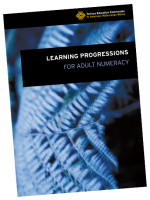 This guide is a general introduction for tertiary educators to the Learning Progressions for Adult Numeracy. The guide’s main aim is to outline the Numeracy Learning Progressions. It is an essential starting point for anyone interested in knowing more about the Learning Progressions and how to embed numeracy into their teaching practice.
Using the Learning Progressions for Adult Numeracy
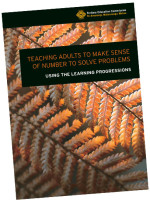
The following practical guides introduce and explain each strand of the Learning Progressions for Adult Numeracy. They cover topics such as assessment and how to use the Learning Progression resources, as well as including a range of guided teaching and learning activities to use in class.
These guides are part of a set of resources developed to support the teaching of literacy, language and numeracy for adult learners. They are based on research into effective adult numeracy education.
The goal is to enable tutors to meet the learning needs of adult learners so those learners can engage effectively with the texts, tasks and practices they encounter in their training and learning.
The suggestions in these guides are initial ideas only – they are aimed at helping tutors apply the Learning Progressions to existing course and learning materials.
Tutors should use, adapt and extend the ideas in these guides to meet the needs of learners and their own teaching situations. Each guide includes an overview of the guided teaching and learning activities.
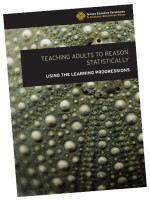
Teaching Adults to Reason Statistically – Using the Learning Progressions (PDF 3 MB)
Learning Progressions strand charts – Adult Numeracy
These printable charts for educators that show the steps in each strand of the Learning Progressions for Adult Numeracy.
Strand chart – Make Sense of Number to Solve Problems (PDF 55 KB)
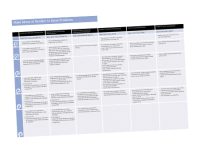
Strand chart – Reason Statistically (PDF 51 KB)
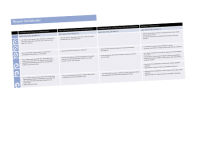
Strand chart – Measure and Interpret Shape and Space (PDF 40 KB)
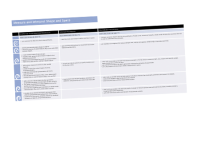
Learner Profiles – Make Sense of Number
Learner Profiles – Make Sense of Number (PDF 575 KB)
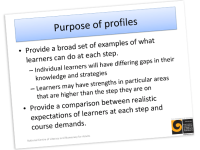 These Learner Profiles describe what adult learners can do at each step of the Make Sense of Number strand of the Learning Progressions for Adult Numeracy, including a broad set of examples for each step. They also offer a comparison between realistic expectations of learners at each step and course demands.
Keep in mind, individual learners will have differing gaps in their knowledge and strategies. Learners may have strengths in particular areas that are higher than the step they are on.
Learner Profiles – Learning Progressions for Adult Numeracy
The following Learner Profiles describe the knowledge, strategies and understandings a learner might have at steps 3, 4 and 5 of the Learning Progressions for Adult Numeracy. These focus on the Reason Statistically strand and the Measure and Interpret Shape and Space strand.
Learner Profiles – Step 3 Capabilities (PDF 319 KB)
Learner Profiles – Step 4 Capabilities (PDF 547 KB)
Learner Profiles – Step 5 Capabilities (PDF 467 KB)